




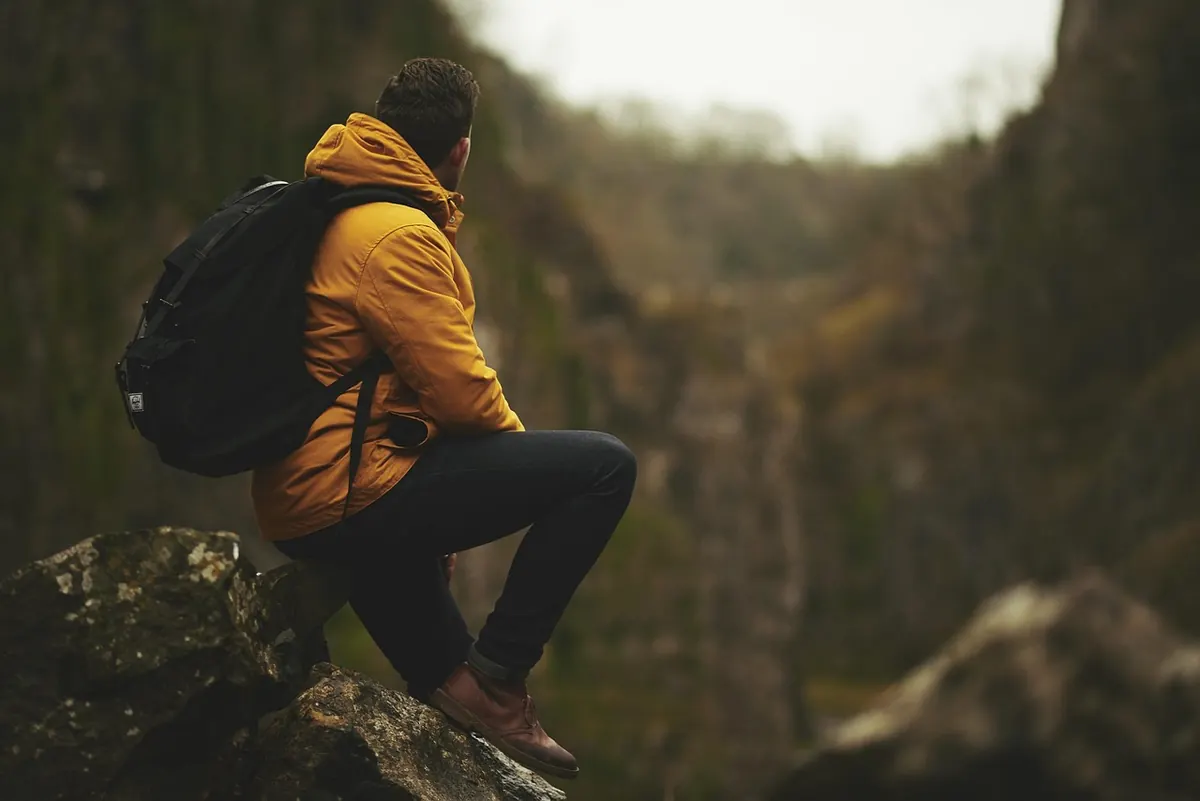
The National Three Peaks is a funny sort of day out. You climb the highest mountains in Scotland, England and Wales — Ben Nevis, Scafell Pike and Yr Wyddfa (Snowdon) — usually within 24 hours, and you spend more of that time sitting in a vehicle than walking on a path. People arrive at the first car park nervous, and at the last one exhilarated, filthy and slightly stunned. The difference between finishing and falling apart is rarely fitness alone. It's preparation: a sensible build-up, a rucksack that does its job, and a plan for the driving.
What the challenge really asks of you
Ben Nevis stands at 1,345 metres, Yr Wyddfa at 1,085 metres and Scafell Pike at 978 metres. The standard routes add up to roughly 23 miles of walking and around 3,000 metres of ascent, spread across three long days' worth of climbing squeezed into one. The drive between the three car parks runs to something like 450 miles.
None of the usual routes need ropes or scrambling, but each has its own character. The Ben Nevis Mountain Track is a long, rocky slog that becomes a navigation exercise in cloud. Scafell Pike from Wasdale is short and steep; from Langdale or Borrowdale it's considerably longer. Yr Wyddfa via the Llanberis Path is the gentlest of the common options, while the Pyg and Miners' tracks are rockier and more interesting.
What catches people out is the descent. Nine hours in, tired legs and a loose path are a bad combination. Train for going down, not just up.
Build a fitness runway
Twelve weeks is a comfortable lead-in from a reasonable base. Six weeks works if you already walk regularly. Two weeks is a recipe for sore knees and a very long day.
- Weeks 1–4: base. Three walks a week of 45–90 minutes, plus one longer walk at weekends. Add two short strength sessions: step-ups, split squats, calf raises and some core work. Stairs and treadmill inclines are useful when the weather is grim.
- Weeks 5–8: hills and load. One hill day a week of four to six hours, carrying a pack of five to eight kilos. Aim for 800 metres of ascent or more, and deliberately practise descending.
- Weeks 9–11: dress rehearsals. Do two big days back to back — say 15–20 km with decent ascent on Saturday and Sunday. Wear exactly the boots, socks and rucksack you'll take, and eat and drink on the move as you will on the day.
- Week 12: taper. Short, easy walks only. Sort your kit, check headtorch batteries, sleep properly. Turn up fresh.
If you have a heart or lung condition, joint trouble, or you're new to sustained exercise, speak to your GP before starting a plan like this.
Kit that earns its place
You don't need much, but you need the right things. Wet feet and cold hands end more attempts than steep ground does.
- Boots you've already broken in, with wool or synthetic socks — and a spare pair.
- Waterproof jacket and trousers, an insulating mid-layer, and a spare warm layer kept dry in a dry bag.
- Headtorch with spare batteries, and a small second torch if you have one.
- Map, compass and a charged phone with an offline map, plus a power bank.
- Gloves, hat and a buff. Summits feel several degrees colder than the valley.
- Two litres of water minimum for a warm day, with electrolyte tabs.
- Food you actually enjoy eating when tired — sandwiches, flapjack, nuts, sweets.
- Blister kit, small first aid kit, whistle and an emergency shelter or bivvy bag.
- Trekking poles, which are genuinely useful on descents, and a 30–35 litre rucksack.
- A full change of clothes and footwear for the car.
Eating and drinking on the move
Treat food as fuel rather than a reward. Little and often beats one big stop: a handful of something every 45 minutes or so keeps you moving, and the same goes for water. On a cool day you may not feel thirsty, but you'll still be losing fluid.
Take a flask of something hot for the Ben Nevis night section. It's a small luxury that lifts morale when the cloud closes in at two in the morning.
Driving, sleep and weather
This is where first attempts unravel. Most teams start at Ben Nevis in the evening, drive to the Lake District, then head for Wales — so somebody is driving on a mountain road at 4am after a summit. Rotate drivers, keep the heating modest, and accept that a designated non-walking driver is money well spent if your group can arrange one.
Check the mountain forecast the day before and again on the morning. Be prepared to change your order, or your start time, if the weather demands it. Cloud, wind and rain will slow you down far more than any hill on a map suggests.
Looking after yourself afterwards
Some soreness for two or three days is normal, typically peaking around 24 to 48 hours after the final descent. Eat something with protein and carbohydrates within an hour of finishing, drink steadily, and get sleep before you drive anywhere long.
Sort your feet out properly: clean and dress blisters, and let them air. A gentle flat walk the next day helps more than sitting still. If pain is sharp, one-sided, or doesn't settle within a week, get it checked rather than pushing through.
Before you set off: a short checklist
- Confirm your route plans and leave them with someone at home.
- Know how to call for help: dial 999, ask for police, then mountain rescue.
- Pack the night before, so nothing is forgotten at 5pm in a car park.
- Agree turnaround times for each mountain, and stick to them.
- Look after the person at the back, and the driver. They decide whether you finish.
The Three Peaks is a brilliant, tiring, slightly ridiculous thing to do. Train steadily, pack sensibly, feed yourself, and the day will look after itself.
Photo: Pexels / Pixabay
Related posts
More stories you’ll love reading