



A good picnic should leave nothing behind but footprints and a few crumbs for the birds. Yet the average day out produces a small landfill: cling film, plastic forks, a bottle of pop, three napkins that blow into the hedge. None of it is necessary. With a bit of planning, a reusable kit is lighter, tidier and cheaper to run than the disposable version, and you come home with nothing in the rubbish bag but an apple core. Building one takes an afternoon and lasts for years.
Start with what you already own
The first rule of zero-waste anything is not to buy a pile of new things to prove how little you consume. You almost certainly own the makings of a picnic kit already: a rucksack, a tea towel, a few clip-lid tubs, a flask, cutlery from the drawer. Begin there and add only what is genuinely missing.
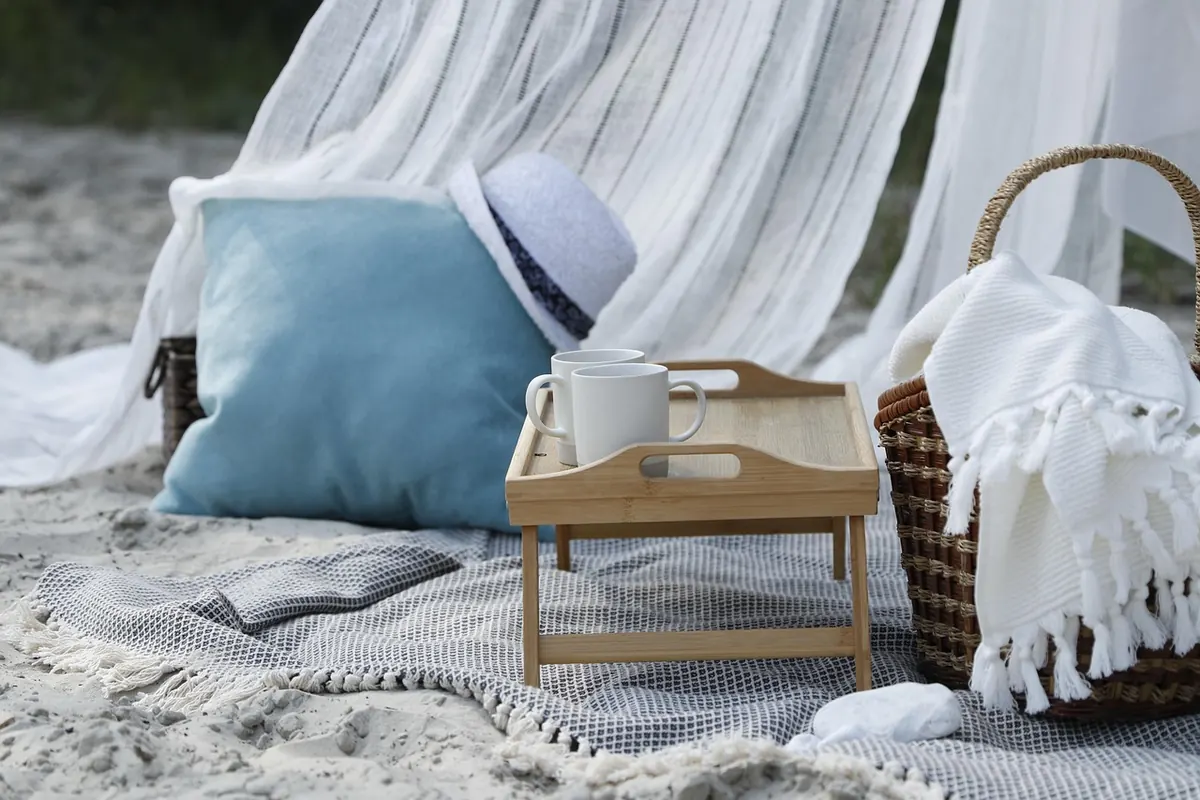
A canvas tote or an old rucksack does the job. For a blanket, use a wool throw or a cotton sheet you don't mind grass stains on — it folds flatter than a padded picnic mat and washes clean. If you are carrying food that needs to stay cold, a basic cool bag with two freezer blocks beats anything fancier.
The swaps worth making
None of these need specialist gear. Each replaces something that would otherwise end up in a bin.
- Cling film — beeswax wraps, a lidded tub, or simply a plate sitting on top of a bowl.
- Plastic bottles — a stainless steel water bottle and a flask for tea or coffee.
- Disposable cutlery — a fork, knife and spoon from the kitchen drawer, rolled in a cloth.
- Paper napkins — a tea towel cut into squares, or two flannels.
- Wet wipes — a damp flannel in a small tin, plus a dry cloth for drying hands.
- Crisp packets and snack wrappers — nuts, dried fruit and biscuits bought loose from a refill shop, carried in a tub.
- Straws — you don't need one. Drink from the bottle or the cup.
- Bin bags — one sturdy bag or tin kept in the rucksack and emptied at home.
Small tins are the quiet heroes of this list. An old sweet tin holds a damp flannel, a few hair bands and a couple of reusable ties without leaking over everything else.
Food storage that survives a bumpy walk
Containers
Choose one or two sizes and stick with them, so lids never go missing in the cupboard. Clip-lid tubs stack neatly and hold a dressed salad without leaking. Stainless steel tiffins are light and near-indestructible, though they can rattle. Leave glass at home unless you are driving to a bench — it is heavy in a rucksack and unforgiving if you drop the bag.
Wraps
Beeswax wraps are excellent for cheese, bread, cut vegetables and half an apple. They are not suitable for raw meat or fish, and they should be washed in cool water with a little mild soap, then air-dried; hot water melts the wax. If you would rather not buy wraps at all, greaseproof paper tied with string works perfectly for sandwiches.
Drinks and temperature
Chill everything overnight before it goes in the bag, and use freezer blocks rather than relying on the cool bag alone. Keep the bag in the shade, not in a hot car boot. On warm days, be cautious about food that has been sitting out for a long stretch — official food safety guidance exists for good reason, and it is worth checking if you are unsure.
The ten-minute pack
- Fill bottles and the flask the night before, and chill anything that needs it.
- Freeze your blocks overnight, or add a frozen bottle of water to the cool bag.
- Pack heavy items low and close to your back, so the rucksack carries well.
- Put anything leaky — dressing, houmous, cut fruit — in a clip-lid tub inside a cloth bag.
- Wrap sandwiches in paper, secure with string, then stack them in a tub so they don't squash.
- Add a clean-up pouch: damp flannel, dry cloth, a spare bag, a small tin for scraps bound for the compost at home.
- Take a rubbish bag even though you plan to bring nothing back. You will probably meet someone else's litter.
Shop for the place you are going
Picnics taste better when the food comes from somewhere you can name. A greengrocer, market stall or refill shop will sell you loose fruit, olives, cheese and nuts without a single wrapper, and you can buy exactly what you will eat. That last point matters: the most wasteful picnic is the one where half the food comes home warm and forgotten. Pack for the appetite you actually have, then add one apple as insurance.
If you are tempted to forage, pick only what you can identify with total confidence, and only where picking is allowed. Otherwise, leave it for the wildlife. The same goes for feeding them: bread and leftover cake do no favours to ducks, ponies or the water they live in.
Leave nothing but footprints
Fruit peel, apple cores and crusts do not belong in a hedgerow. They take a long time to break down and can be harmful to grazing livestock, so take them home. Close gates behind you, keep dogs away from nesting birds and ground-nesting chicks in spring, and check the spot where you sat before you leave — a dropped napkin is easy to miss once the blanket is folded.
Carrying your rubbish home does one more useful thing. It makes you notice exactly how much packaging a day out used to generate, and that awareness tends to shrink the next shop.
Keep the kit ready by the door
Store the whole lot in one bag: tubs, cutlery roll, cloths, freezer blocks, tins, bottle. After each trip, wash what needs washing, refill the flask, and put everything straight back in the bag rather than scattering it across the kitchen. Keep a short list tucked in the side pocket — bottle, blocks, cloths, cutlery, bags — so nothing gets left behind in a hurry.
After two or three outings the kit packs itself, and the disposable version starts to look like the faff it always was. That is the point: not a project, just a bag that is always ready when the forecast turns kind.
Photo: margarita_kochneva / Pixabay
Related posts
More stories you’ll love reading