


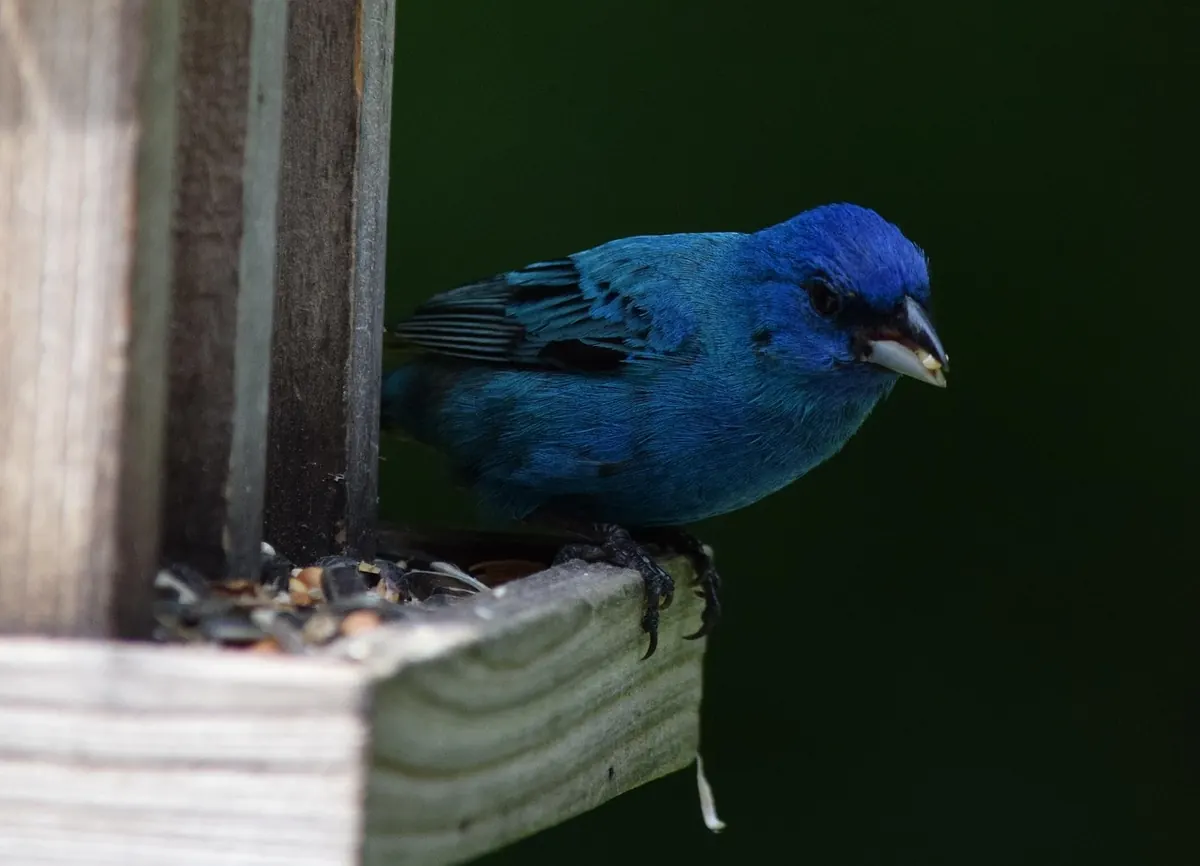
A feeder in a bare January garden does more than fill a quiet hour. It gives small birds a dependable meal when natural food is thin, and it gives you a reason to linger at the window with a mug of tea. The trouble is that the quickest option — a cheap plastic tube and a sack of mixed seed — is often the least kind to the birds and the first thing to end up cracked and dirty in the shed. Feeding well takes a little thought, not much money, and the habits are surprisingly easy to keep once they are set.
Start With the Feeder, Not the Food
Before you buy anything, look at what you already own. The most sustainable feeder is the one that is already hanging in your garden. If it is plastic and still sound, keep using it and give it a proper wash. Replace it only when it cracks, crazes or becomes difficult to clean, because those scratches and splits hold damp and bacteria that no amount of scrubbing will shift.
When you do replace it, choose a material that will outlast you rather than a season. Powder-coated steel, stainless steel, ceramic and FSC-certified timber all cope well with British weather. Bamboo and recycled composites are reasonable middle-ground options too.
What to look for
- A base that drains, or an open design where seed cannot sit in a puddle.
- Parts that come apart by hand — no screwdriver, no hidden clips that snap.
- Smooth perches and rounded mesh. Sharp metal edges cut feet and legs.
- Rust-resistant fixings, including the hanging loop and any chain.
- A size that suits your garden. Two small feeders used in rotation beat one enormous one.
Skip fat balls sold loose in green netting. The netting tangles around beaks, tongues and feet, and it is a needless piece of plastic. Buy naked fat balls or make your own and put them in a proper holder. If you fancy a homemade feeder, a coconut half, a drilled log or a terracotta saucer on a chain all work well and cost almost nothing. Hang them away from fence tops where cats can lie in wait, and near — but not inside — prickly shrubs such as hawthorn or holly.
Choosing Food That Helps Rather Than Harms
Good feeding is about energy and protein, not volume. Match the food to the birds you actually get, and you will waste less and attract more.
- Sunflower hearts for tits, finches and sparrows — no husks, so no mess beneath the feeder.
- Nyjer seed in a fine-port feeder for goldfinches and siskins.
- Suet and fat cakes for cold spells, made with plain suet or lard.
- Mealworms, dried or live, for robins, wrens and hungry nestlings in spring.
- Kibbled peanuts year-round; offer whole peanuts only in a mesh feeder so birds take them in small pieces, and avoid loose whole peanuts during the breeding season.
- Soft fruit and soaked raisins on a ground tray for blackbirds and thrushes.
Leave these off the menu: bread, which fills birds up while giving them very little; salted or roasted nuts; mouldy peanuts, which can carry toxins; and any fat mixture made with cooking oil or margarine. Soft fats smear feathers and reduce their waterproofing, which matters a great deal in a wet climate. Plain suet or lard set with seeds and dried fruit is the safer homemade option.
A Cleaning Routine You'll Actually Keep
Feeders concentrate birds, and wherever birds gather, so does disease. A little routine protects them far more than any expensive product.
- Empty leftovers and brush out husks and compacted seed.
- Wash in hot soapy water with a bottle brush, working into every corner and port.
- Rinse thoroughly — detergent residue does not belong on a bird's food.
- Disinfect with a bird-safe product at the recommended dilution, or use very hot water.
- Dry completely before refilling. Damp seed goes mouldy within days.
- Wash your hands, and wear gloves if you have cuts or grazes.
Do this at least once a fortnight all year, and weekly in warm or damp weather. Clean away from the kitchen sink where you prepare food — a bucket outside or a utility sink is ideal. If you notice birds looking fluffed up, sitting still, or with swollen or weeping eyes, stop feeding for a fortnight, clean and disinfect everything including bird baths, and spread your feeders further apart. Seek advice from a wildlife charity or your vet, and do not handle sick birds.
Water, Shelter and Spacing
A shallow dish of clean water is as valuable as any feeder. Keep it two to four centimetres deep with a stone inside for grip, refresh it daily and scrub it every few days. In freezing weather, melt the ice with a little warm water rather than pouring boiling water over the dish.
Siting matters as much as contents. Place feeders within a metre or two of cover so birds can retreat quickly, but not so close that cats can hide inside the shrub and pounce. Keep them off windows, or fit decals to reduce collisions. If you have space, hang several smaller feeders at different heights and distances rather than crowding one busy station.
Storing Food and Cutting Waste
Buy in paper sacks or bulk bags and decant into a lidded metal tin kept cool and dry. Stale, claggy seed is a false economy. Only put out what the birds will clear in a day or two, less in mild weather, and sweep up husks from the ground so they do not smother the lawn or attract rodents. Fat cakes have a shorter shelf life than seed, so sniff them before they go out; if they smell of old oil, bin them.
Your Eco-Friendly Feeding Checklist
- Feeder made from metal, ceramic, timber or bamboo — or a sound plastic one kept in service.
- Drains freely and comes apart without tools.
- No loose fat balls in netting, and no sharp mesh.
- Food matched to your visitors, with no bread, salted nuts or soft fats.
- Washed at least fortnightly, weekly in warm weather, and dried before refilling.
- Clean water available daily, ice-free in winter.
- Feeders spaced out, near cover, away from cat ambushes and windows.
- Seed stored dry in a sealed container, bought in paper or bulk.
Making It Work Through the Year
Feeding is not a fixed routine so much as a seasonal rhythm. In spring and summer, offer protein — mealworms and kibbled peanuts — and keep water topped up for thirsty nestlings. In autumn and winter, shift towards high-energy seed and fat, and be ready to defrost the water dish on frosty mornings. Clean a little more often whenever the weather is mild and damp, and step it up again if your garden suddenly gets busy.
Set a reminder on your phone, or tie the job to something you already do, such as a Saturday morning tidy of the garden. Ten minutes with a bucket and brush, once a fortnight, is the whole commitment. Everything else — the feeders, the food, the water — follows from that one habit, and the birds will notice the difference long before you do.
Photo: heronworks / Pixabay
Related posts
More stories you’ll love reading