

How to Create a Wildlife-Friendly Pond in a Small UK Garden
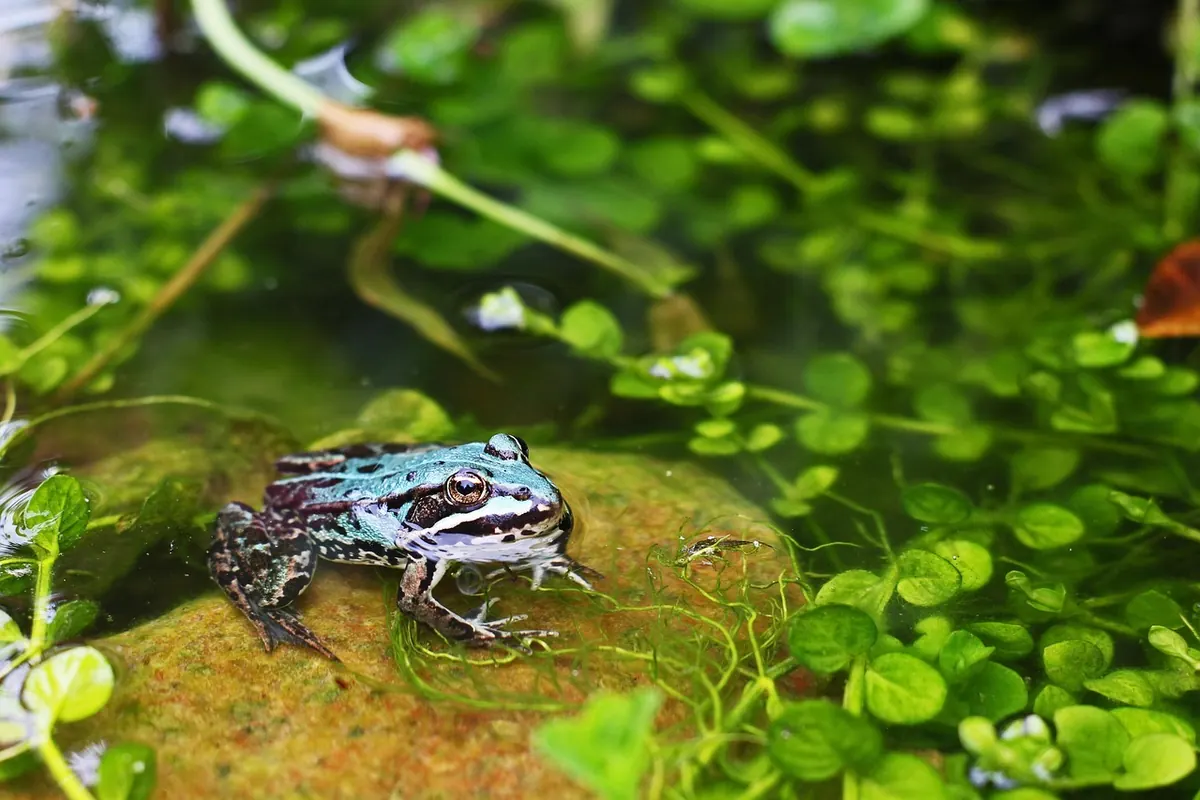
A pond the size of a dining table will bring more wildlife into a garden than almost anything else you can build. Frogs turn up, often within a season. Dragonflies patrol it by midsummer. Blackbirds and sparrows start using the shallow end as a bath and a drinking fountain. You don't need a big plot, a big budget or any plumbing. You need a spade, a couple of weekends and the patience to let the water find its own balance.
It doesn't have to be an excavated masterpiece, either. A half-barrel, an old baby bath or a pre-formed liner sunk into a border can all work. But if you can spare a patch of ground roughly the size of a dining table — about 1.2 metres by 1.8 metres — and dig it in, you get something much better: gentle slopes, shallow shelves and a deeper centre where frogs and newts can overwinter. The bigger the pond, the more life it will support, but small is still brilliant. The aim is not a formal water feature. It is a messy, plant-filled puddle with a good edge.
Choosing the right spot
Most small gardens have one corner that gets sun for at least half the day and stays out of the worst of the wind. That's your spot. Dragonflies and most pond plants need light, and a pond in deep shade tends to fill with leaves and never quite settles.
Keep it away from the drip line of large trees: roots make digging miserable and autumn leaf fall drops straight in. Avoid the bottom of a slope where water runs off a path or drive, because that water arrives carrying oil and whatever else has washed off the hard surfaces. And put it somewhere you'll actually see it. A pond you pass on the way to the back door gets watched, topped up and enjoyed.
Also think about what surrounds the pond. A wall or fence gives shelter, but too much overhang can shade it and drop debris. A nearby log pile, compost heap or wild patch gives frogs somewhere to hide when they leave the water. If the pond sits on a patio, you can still sink a container pond into a border or place it against a wall; just make sure wildlife can climb in and out. A ramp of stones, wood or gently sloping liner is essential, especially for hedgehogs, frogs and exhausted bees.
Digging it: a method that works
An irregular outline looks far more natural than a perfect circle, and it's easier to plant. Work through it in this order:
- Mark the shape with a length of hose or rope laid on the grass. Move it around until it looks like a natural hollow rather than a satellite dish.
- Lift the turf and keep it. You can use it later to hide the liner edge or make a small bank.
- Dig out the soil in layers. Aim for a shallow shelf around the edge — about 20–30cm deep — and a deeper middle of 45–60cm. That's plenty for a small garden pond and safer if children are around. If you want newts to breed, a little deeper is better, but don't make the sides vertical.
- Create one gentle beach or slope at one end. This is the wildlife motorway: frogs, birds, hedgehogs and insects all use it. It also lets you plant bog plants that like wet roots but not deep water.
- Check the levels with a straight plank and a spirit level. The rim must be level all the way round, or the liner will show and the water will look crooked.
- Remove sharp stones, roots and anything that could puncture the liner. Line the hole with old carpet, underlay or a purpose-made underlay, then fit butyl or EPDM liner. Leave at least 30cm of liner overlapping the edge all the way round; you can always trim it later.
- Fill with rainwater. If you must use tap water, let it stand for a few days first, but rainwater from a butt is far better. It is free, soft and already full of the tiny life that starts a pond off.
- Hide the liner edge with turf, stones, logs or creeping plants. Don't leave shiny black plastic on show — it looks wrong and it gets hot in sun.
Once the water is in, stop. Don't add fish. Don't add a fountain. Don't add a filter. A wildlife pond is meant to be still, shallow and full of plants. If you want the sound of water, a small solar bubbler on a stone is fine, but keep it gentle and off at night if you can.
Planting for cover, colour and clean water
Plants do the work that a filter would do in a fish pond. They use up nutrients, shade the water, shelter tadpoles and give dragonfly larvae somewhere to climb. Aim for a mix of oxygenators, floaters, marginals and bog plants, but don't cram the surface. Leave at least a third of the water open so dragonflies can hunt and birds can bathe.
Plants that earn their place
- Hornwort and water starwort are good oxygenators. They float rather than root, so they are easy to thin out.
- Water forget-me-not is small, pretty and a favourite of bees and damselflies.
- Marsh marigold gives early yellow flowers when little else is out.
- Water mint smells wonderful, attracts pollinators and copes with a small pond.
- Frogbit or a small native water lily gives shade and floating cover for tadpoles.
- Yellow flag iris is good for bigger ponds, but keep it in a basket because it spreads. For a tiny pond, choose a dwarf variety or use ragged robin and meadowsweet in the damp ground nearby.
Plant in baskets filled with heavy loam, not compost. Compost is full of nutrients and will turn the water green. Top the baskets with gravel so the soil doesn't cloud the water. Never use fertiliser. Never introduce invasive plants such as parrot's feather, floating pennywort, water fern or New Zealand pygmyweed. They can escape a garden pond and wreck local waterways.
Wildlife you can expect
Frogs often arrive within weeks. They seem to smell water, or at least to find it as they roam. Newts may take a year or two, especially if there are plenty of damp hiding places nearby. Dragonflies and damselflies usually appear the first summer, laying eggs on submerged stems. Pond skaters, water boatmen, whirligig beetles and diving beetles turn up on their own. Birds use the shallow end for drinking and bathing, and bats may hunt insects over the surface at dusk.
Don't be disappointed if the first water looks bare. A new pond goes through a green phase while algae and bacteria sort themselves out. That's normal. Resist the urge to empty it and start again. By the second spring, the plants will have grown and the water will usually clear.
Keeping it healthy without chemicals
A wildlife pond is not a swimming pool. It should not be crystal clear, and a bit of algae is part of the food web. The best maintenance is simple: keep nutrients out, keep some plants in, and leave the wildlife alone. Don't use tap water for top-ups if you can avoid it. Don't let lawn fertiliser, weedkiller or car wash run-off reach the pond. Don't feed the birds directly over the water — uneaten seed and droppings add nutrients. And never use algicides or other pond chemicals.
In autumn, net out some leaves, but leave a few in the water and a pile of leaves nearby. Frogs, newts and insects overwinter in the mud and in damp corners. In winter, don't smash the ice: the shock waves can kill fish and amphibians. If you need to make a hole, rest a pan of hot water on the surface until it melts through. A small pond may freeze solid, but most native wildlife has evolved to cope as long as there is deep water, leaf litter and somewhere frost-free to hide.
Seasonal jobs at a glance
- Spring: watch for frog spawn, thin out duckweed, plant marginals, top up with rainwater.
- Summer: keep the water level steady, leave seed heads, enjoy dragonflies and bees.
- Autumn: remove excess leaves, cut back some dead growth, leave the rest for shelter.
- Winter: don't break ice, keep a gentle hole if needed, avoid walking on the liner edge.
Safety, children and pets
A small pond can be a wonderful teaching tool, but it needs supervising. If you have toddlers, either fence it, cover it with a rigid grid just below the surface, or wait until they are older. A gentle beach and an escape ramp help wildlife, but they don't make a pond child-safe. For dogs and cats, a shallow edge and a ramp mean they can get out if they fall in. Check with your local council or landlord if you rent, and make sure the pond is not near a boundary where it could cause damp problems.
Common mistakes to avoid
- Making the sides vertical. Wildlife needs shallow water and an easy exit.
- Adding goldfish. They eat tadpoles, stir up mud and need feeding, which pollutes the water.
- Using tap water and fertiliser. Both feed algae.
- Planting invasive species. They can take over a small pond in one season.
- Cleaning too much. A tidy pond is a poor wildlife pond.
- Putting it in deep shade. You will get leaves, sludge and very little life.
Start small if you must. Even a sunken washing-up bowl with a few native plants and a stone ramp will bring frogs, insects and birds into a tiny yard. But if you can find room for a dining-table-sized pond, dig it this autumn or spring,
Photo: KRiemer / Pixabay
Related posts
More stories you’ll love reading